
Evaluation of He Poutama Rangatahi
In 2022, 11.6% of 15 to 24 year olds were not in employment, education or training (NEET). This rate is higher for rangatahi Māori (19.0%) and Pacific rangatahi (16.5%). These…
In 2022, 11.6% of 15 to 24 year olds were not in employment, education or training (NEET). This rate is higher for rangatahi Māori (19.0%) and Pacific rangatahi (16.5%). These…
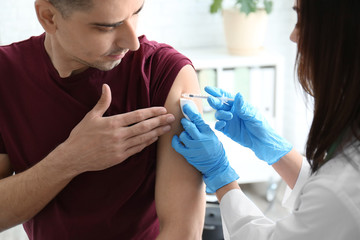
Existing evidence demonstrates clear links between culturally safe care, and achieving health equity (Curtis et al., 2019). Cultural safety is emphasised as a pathway for equity of care access, experience…

Médecins Sans Frontières (Doctors Without Borders) is an independent international medical humanitarian organisation that delivers emergency aid to people affected by armed conflict, epidemics, healthcare exclusion and natural or man-made…
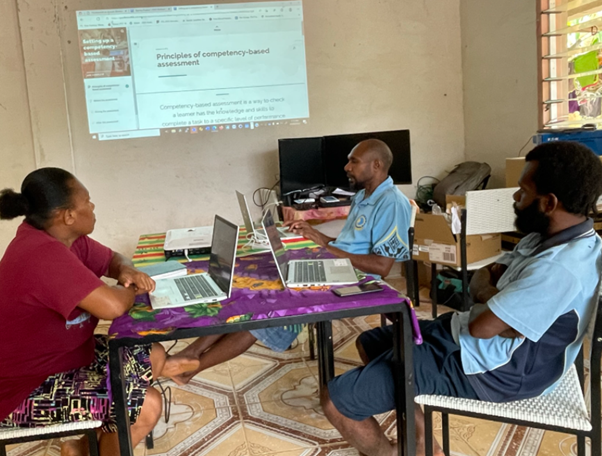
The economic and educational impacts of disengagement from education are profound to any nation. The Pacific education sector, and access to education more broadly, is under threat by the region’s…
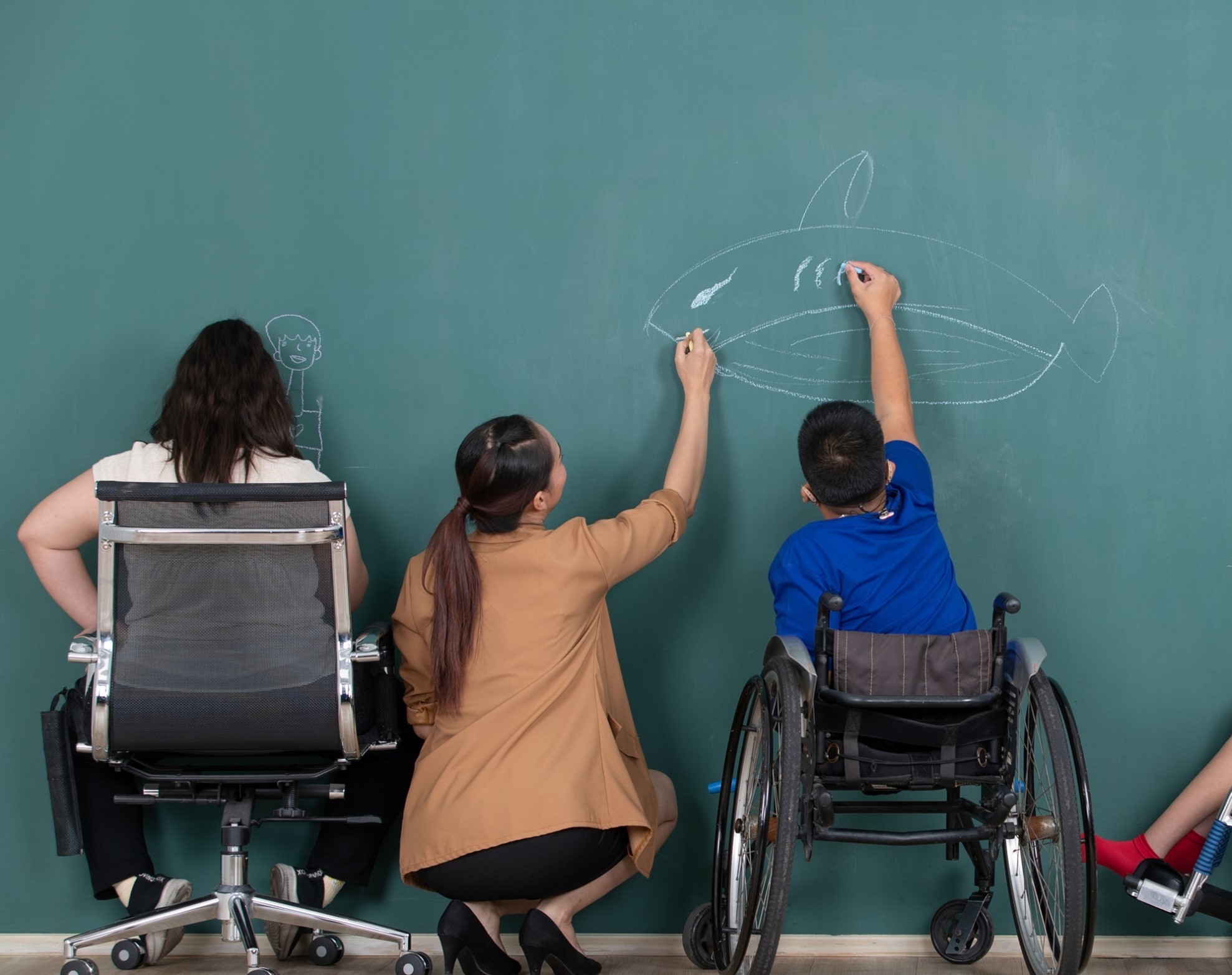
The 2013 New Zealand Disability Survey estimated that nearly one in four New Zealanders have recognised limitations that cannot be eliminated by an assistive device. Although some services exist to…
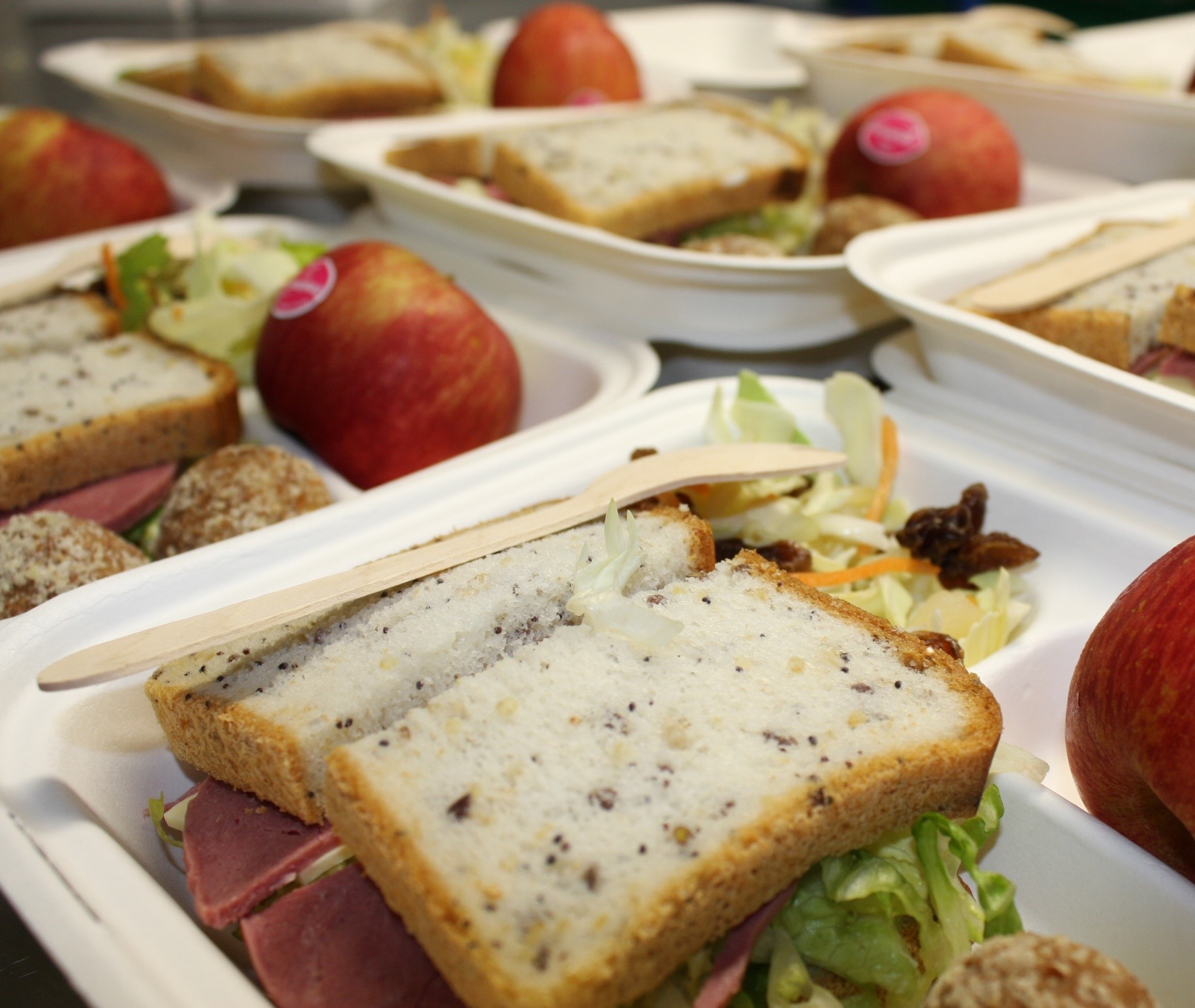
Approximately 15% of New Zealand children live in households without adequate and safe food. This level of food-insecure children is concerning as food insecurity and hunger have been linked to…

Teachers play a critical role in sustaining societal education provision for children or tamariki. However, Aotearoa, like the rest of the world, has been experiencing a significant shortage of teachers.…

Young people, or ākonga, within the youth justice system are a unique cohort of learners in many ways. While ākonga are awaiting a court trial, they could be placed in…
The New Zealand Curriculum will be refreshed over the next five years to make it clearer, more relevant and more explicit about what learners need to understand, know and do.…
Delivering the best communication programme possible means understanding your priority audience and their influencers. The Ministry of Health asked Standard of Proof to undertake some exploratory research to inform the…

The Duncan Foundation provides support for people living with neuromuscular conditions, and the health professionals who treat and support them. They provide new and essential clinical services to improve the…

InternetNZ, is the not-for profit agency responsible for administering.nz domain names. It provides grants community-based organisations that help increase the benefits of the Internet in Aotearoa. InternetNZ engaged Standard of…
High rates of young people not in employment, education or training (NEET) have become a concern internationally. Research suggests disengaged youth are more likely to experience social exclusion, increased psychological…

Incredible Years Autism programmes are a recent extension of the basic Incredible Years programmes, with the specific focus on children on the autism spectrum and the caregivers and teachers who…

The New Zealand healthy school lunches programme is an initiative by the New Zealand Government to reduce food insecurity by providing access to free, nutritious lunches for all learners at…
A number of programmes support disabled people and people with health conditions to prepare for, find and stay in work. Such services may be tailored to the individual’s needs and…
The Second United Nations Decade for the Eradication of Poverty (2008–2017) highlighted the need to address social exclusion and called for more inclusive approaches to overcome poverty in its multiple…

The Alert Program® (ALERT) was developed by occupational therapists, Williams and Shellenberger, in the United States. ALERT promotes a shared language to communicate arousal levels in children, and provides tools…

Food insecurity is a real issue for many children in New Zealand. Published results from the New Zealand health survey in 2015/16 (Ministry of Health, 2019) showed that approximately 19{268379e7bb83c1fc9f698263331cef5dcd152766c81d5236cf53b316f30399bc}…
Monitoring is about finding out what is working well and what isn't working well. An effective monitoring approach will help you celebrate your success and help you improve your programme.…

R is an open-source software for data and statistical modelling software. StatsNZ uses R to process and analyse data for their statistical and business outputs. Since the introduction of R…

Understanding your audience priority needs helps determine what an effective client-focused service delivery model could look like. This means listening to the community and summarising their responses in ways that…

The Ministry of Health asked Standard of Proof to undertake research to understand potential reactions to a specific approach to administering health solutions to young people, notably an approach to…

Standard of Proof helped the Ministry of Business, Innovation and Employment (MBIE) develop a questionnaire which would help organisations understand the strengths, needs and progress relevant to each young people…
The Northland District Health Board (DHB) was one of 11 district health boards delivering a locally relevant response to address rheumatic fever rates in the community. The Northland rheumatic fever…
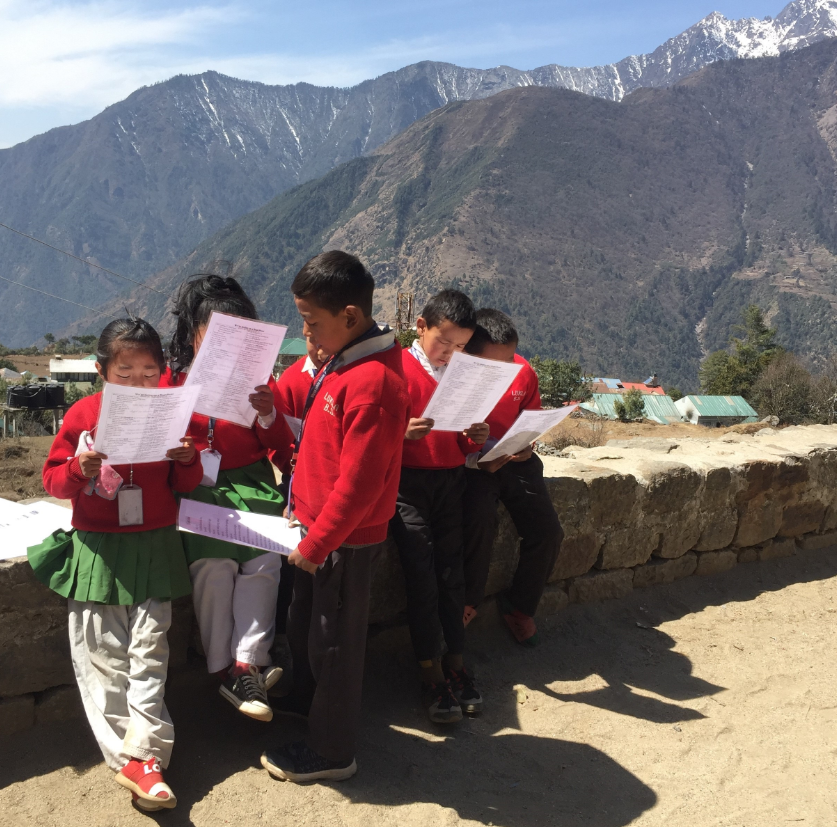
The Ministry of Foreign Affairs and Trade and the Himalayan Trust, along with their local implementation partners, have been making significant efforts across the Solukhumbu region (Nepal) to improve access…

The New Zealand Ministry of Education |- Te Tāhuhu o te Mātauranga was trialling an Oral Language and Literacy initiative (OLLi) to support early literacy and oral language skills among…

Rheumatic fever is caused by an abnormal immune response to infection with a bacteria called Streptococcus (GAS), usually in the throat. The symptoms of rheumatic fever resolve over a few…

Delivering the best programme possible means understanding what works and what doesn’t work. This means listening to the community and the programme delivery team. In collaboration with Allen + Clarke,…